What Happens if an Uninsured Driver Injures Me in a Car Accident? Southwest Florida Car Accident Lawyers, GTS, Explain
Jason B. Goldman • December 17, 2021
What Happens if an Uninsured Driver Injures Me in a Car Accident? Southwest Florida Car Accident Lawyers, GTS, Explain

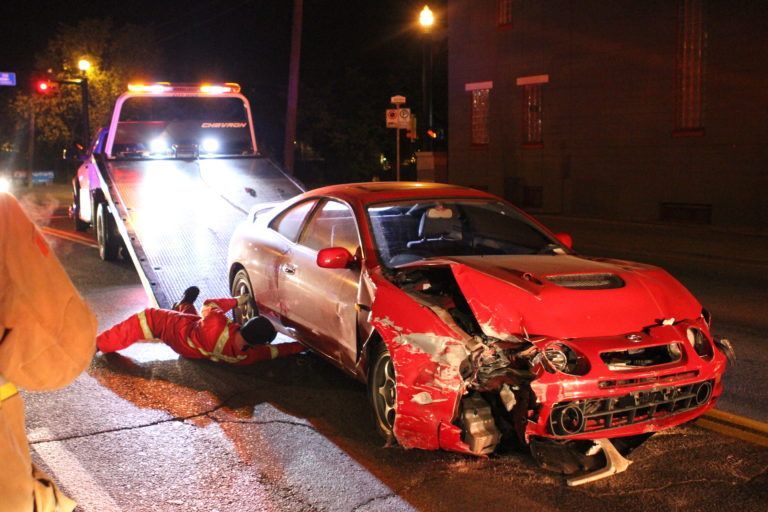
Florida drivers have earned the dubious distinction of having one of the highest uninsured motorist rates in the entire country.  This is due, in large part, to our state legislature’s unwillingness to require Florida drivers to carry a type of coverage called bodily injury liability. If you are injured in an accident by an uninsured or underinsured driver, there are still financial recovery options available to you.  It’s crucial to speak with an experienced Port Charlotte car accident lawyer about these options.

Required Automobile Insurance Coverages in Florida

For a car to be registered in Florida, its owner must provide proof of only $10,000 in property damage liability (this coverage pays only for property damage caused to another person’s vehicle) and $10,000 in personal injury protection (PIP) (this coverage only pays medical expenses for the driver of the automobile). These are the only two coverages required to legally drive in Florida.  Noticeably missing is bodily injury liability coverage, which compensates other drivers if they are injured in an accident caused by the vehicle’s owner.  Florida’s legislature does not require Florida drivers to purchase bodily injury liability coverage, which compensates those injured in a car accident. 

Because Florida does not require its drivers to carry even a minimal level of bodily injury liability coverage, it is imperative for you to carry a coverage called uninsured/underinsured motorist (UM) coverage.  While UM coverage is not mandatory, it is vital to protect you and your family from uninsured drivers.  UM coverage will compensate you for injuries suffered in a car accident caused by an uninsured/underinsured driver.  In order to purchase UM coverage from your auto insurance carrier, it will require you to also purchase bodily injury liability coverage.  Your insurance carrier will not permit you to purchase a higher level of UM coverage than bodily injury liability coverage.  You must at least protect the public as much from your negligence, as you are protecting yourself from the public’s negligence against you.

Recovery Options

When a driver who injures you does not have car insurance (or does not have enough insurance to fairly compensate you for your injuries), you have options for financial recovery. While you have options, not all options are created equal. 

One option is attempting to receive compensation directly from the uninsured driver.  Your lawyer could bring your case to trial and obtain a judgment against the at fault driver.  However, a judgment is just a sheet of paper which states the at fault driver owes you the amount of money awarded by a jury.  While you have this judgment stating this money is owed to you, it is up to you to try and find assets from the at fault driver to pay towards your judgment.  Oftentimes, uninsured drivers are uninsured because they can’t afford adequate automobile insurance.  If they can’t afford car insurance, the odds of them having substantial, available assets to pay towards your judgment are nil to none.  While holding a judgment against someone allows you to try and garnish wages, lien non-homestead property, seize personal property, etc,. in many instances the at fault party doesn’t have any substantial assets to seize or garnish.  In these situations, if you do not have UM coverage to protect you and the at fault party is uninsured and what we call “judgment proof”, you may not be able to achieve any compensation at all for your injuries.  This happens constantly in Florida, because our legislature does not require Florida drivers to carry either bodily injury liability or uninsured motorist coverage.

You and your family are best served by carrying adequate UM coverage. If you are injured by an uninsured or underinsured driver, you can instead obtain financial compensation for your injuries directly from your own insurance company’s UM coverage.  In essence, this coverage steps into the shoes of being the insurance carrier for the at fault, uninsured party.  A UM insurance adjuster will be assigned, and that adjuster will work to resolve your claim for the lowest amount they possibly can.  When we represent you in a UM claim against your own insurance carrier, we will not allow your claim to be resolved at the whim of your insurance adjuster.  Our Southwest Florida injury lawyers can help you if you’ve been seriously injured in a crash.

Our Port Charlotte, Punta Gorda, and Englewood Car Accident Lawyers Protect You and Your Family!

If you or a loved one were seriously injured or killed in a Florida car accident, our experienced Southwest Florida car accident lawyers at Goldman, Tiseo, and Sturges, P.A. can fight to ensure you receive the compensation you and your family deserve.  We will not allow at fault drivers and their insurance carriers to take advantage of you or treat you unfairly.  Our only job is to protect you and your family from the devastating consequences of a serious automobile accident.  Learn how we can help you during a FREE consultation by calling (941) 625-6666 or by sending us a message through our contact us box available on our website here.

Share This Post:
By Jason B. Goldman • October 30, 2026
Every fall, Charlotte County comes alive again. Seasonal residents from the Northeast, Midwest, and Canada make their way back to Port Charlotte, Punta Gorda, Englewood, and North Port, and the community is better for it. The restaurants fill up, the marinas get busy, and the energy that makes Southwest Florida such a special place returns in full force. At Goldman, Tiseo & Sturges, P.A., we are proud to serve both our year-round neighbors and the seasonal residents who choose Charlotte County as their home away from home. Whether you are returning for your fifth season or your first, this guide is designed to help everyone, visitors and locals alike, settle in safely and know their legal rights this fall and winter. Road Safety as Traffic Picks Back Up in Charlotte County The return of seasonal residents brings a noticeable increase in traffic on Charlotte County roads. Tamiami Trail, US-41, and Kings Highway all see higher volumes beginning in October, and the mix of returning seasonal residents re-familiarizing themselves with local roads and year-round residents adjusting to busier conditions calls for patience and extra caution from everyone. Safe driving reminders for fall in Charlotte County: Allow extra travel time during peak hours, especially near shopping centers, medical facilities, and waterfront areas popular with seasonal visitors Be patient at intersections. Increased traffic means longer wait times and a higher chance of driver frustration Watch for pedestrians near restaurants, parks, and along waterfront areas in Punta Gorda and Englewood where foot traffic increases significantly in the fall If you are returning after months away, take a few days to reacquaint yourself with local road patterns, construction updates, and any new traffic signals or roundabouts before driving in heavy traffic Charlotte County's roads can feel very different from roads up north. Speed limits, right-of-way rules, and driving culture may vary, so give yourself and others grace during the adjustment period If you are involved in a car accident in Charlotte County this fall, whether you are a year-round resident or a seasonal visitor, you have the same legal rights. Goldman, Tiseo & Sturges, P.A. represents accident victims from across the country who are injured while spending time in Southwest Florida. Settling Back In: Property and Premises Safety For seasonal residents returning to their Charlotte County homes after months away, a thorough safety walkthrough of your property is one of the smartest things you can do before settling in. Hurricane season runs through November 30, and properties that have been unoccupied through the summer may have storm-related damage or maintenance issues that need attention. Property safety checklist for returning seasonal residents: Inspect your roof, gutters, windows, and exterior for any storm or weather damage from the summer months Check pool barriers, fencing, and gate latches before hosting guests, particularly if children will be visiting Inspect driveways, walkways, and steps for cracks, settling, or uneven surfaces that could create trip hazards Test smoke detectors, carbon monoxide detectors, and fire extinguishers Have any HVAC, electrical, or plumbing systems that were dormant over the summer inspected before full use If you hire contractors for post-summer repairs, verify their Florida license through myfloridalicense.com before signing any contract Property owners in Florida have a legal duty to maintain safe premises for guests. If someone is injured on your property due to a hazard you knew about or should have known about, you could face a premises liability claim. Taking care of deferred maintenance when you return protects both your guests and you. Knowing Your Legal Rights as a Seasonal Resident in Florida One question we hear often from seasonal residents is whether their legal rights differ from those of year-round Florida residents. The answer is no. Florida law protects visitors and seasonal residents the same way it protects permanent residents when it comes to personal injury, premises liability, and insurance claims. Important legal facts for seasonal residents in Charlotte County: If you are injured in a car accident in Florida, Florida law applies to your claim regardless of where you are from or where your vehicle is registered If you are injured on someone else's property in Charlotte County, you have the right to pursue a premises liability claim under Florida law Florida's statute of limitations gives you two years from the date of injury to file a personal injury claim. Do not assume you need to wait until you return home to seek legal advice Your out-of-state health insurance may have different coverage rules when used in Florida. Understanding your coverage before an emergency occurs can save significant stress  If you are involved in an accident and the other party's insurer contacts you, you are not required to give a recorded statement. Speak with an attorney first Goldman, Tiseo & Sturges, P.A. has represented seasonal residents and visitors from across the country who were injured while in Charlotte County. Distance is not a barrier to getting the help you deserve. Welcome to the Season from Goldman, Tiseo & Sturges, P.A. To our returning seasonal friends and neighbors: welcome back. Charlotte County is a richer, more vibrant community because of the people who choose to spend their fall and winter here. We are glad you are back. To our year-round residents: thank you for your patience and warmth as our community grows each season. The relationships between long-time locals and returning seasonal visitors are part of what makes this area so special. If you ever need legal guidance this season, whether you are dealing with an accident, an insurance dispute, or a property injury, Goldman, Tiseo & Sturges, P.A. is here for every member of the Charlotte County community, no matter where home is. Contact Our Charlotte County Personal Injury Attorneys Goldman, Tiseo & Sturges, P.A. (941) 625-6666 | Serving Port Charlotte, Punta Gorda, Englewood, North Port, and all of Charlotte County | gtslawfirm.com
By Jason B. Goldman • September 29, 2026
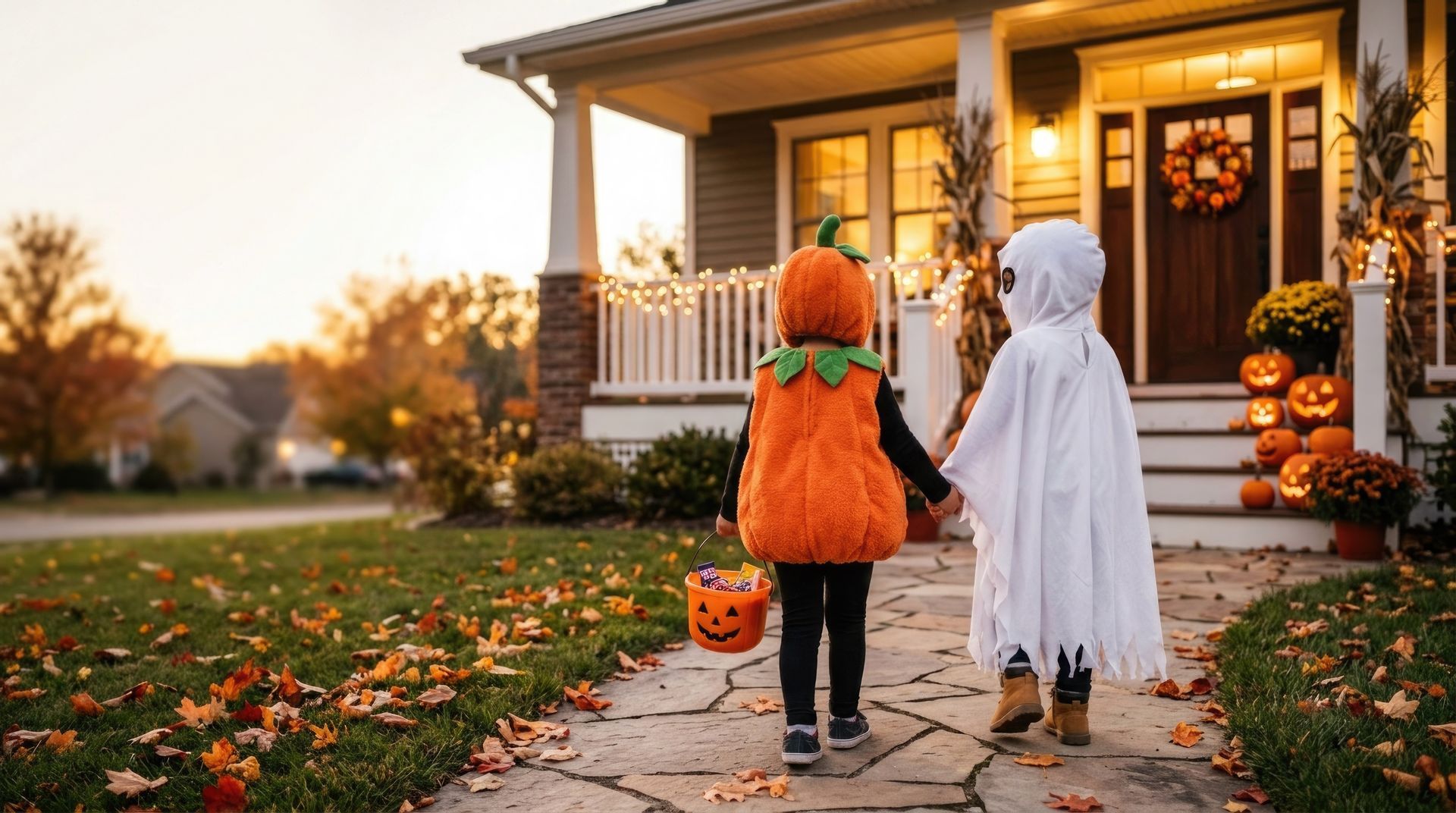
Halloween is one of the most exciting nights of the year for families across Charlotte County. Neighborhoods in Port Charlotte, Punta Gorda, Englewood, and North Port fill with costumed children and it is a celebration our community looks forward to every October. At Goldman, Tiseo & Sturges, P.A., we want every family to enjoy a safe and happy Halloween, so here are the most important safety reminders for this year. Watch Out for Trick-or-Treaters on the Road Children are more than twice as likely to be struck by a vehicle on Halloween than on any other night of the year. As families head out after dark, drivers throughout Charlotte County need to slow down, put phones away, and stay extra alert in residential neighborhoods. For families out trick-or-treating: Add reflective tape or glow sticks to costumes so children are visible to drivers Carry a flashlight and cross only at corners and crosswalks Make eye contact with drivers before stepping into the road Always accompany young children Property Owner Responsibilities on Halloween When you invite trick-or-treaters to your door, Florida law considers them your guests. That means you have a legal duty to keep your walkways, steps, and porch area safe and well-lit. Uneven pavement, loose steps, poor lighting, and unsecured pets are among the most common causes of Halloween injuries in Charlotte County. Dog owners should keep pets secured indoors on Halloween night. Under Florida law, dog owners are strictly liable for bites, even if the animal has never been aggressive before. Impaired Driving Spikes on Halloween Halloween parties mean increased impaired driving on Charlotte County roads after dark. Never drive after drinking. Use a rideshare service or designate a sober driver before the evening begins. If you see an impaired driver, call 911. If Your Family Is Injured This Halloween Seek medical attention immediately Document the scene with photos Report the incident to the property owner or law enforcement Do not speak with insurance companies before consulting an attorney  Contact Goldman, Tiseo & Sturges, P.A. for a free consultation From all of us at Goldman, Tiseo & Sturges, P.A., have a safe, fun, and memorable Halloween, Charlotte County. We are always here if you need us. Goldman, Tiseo & Sturges, P.A. (941) 625-6666 | Serving Port Charlotte, Punta Gorda, Englewood, North Port, and all of Charlotte County | gtslawfirm.com
By Jason B. Goldman • September 29, 2026
Charlotte County is home to one of the largest senior populations in Florida. Our community is enriched every day by the retirees, longtime residents, and snowbirds who make Port Charlotte, Punta Gorda, Englewood, and North Port such special places to live. But with a large senior population comes an important responsibility: ensuring our older neighbors are protected when accidents happen. At Goldman, Tiseo & Sturges, P.A., we represent elderly injury victims throughout Charlotte County. Seniors face unique vulnerabilities after an accident, and the legal process can feel overwhelming, particularly for those managing medical care, insurance companies, and family concerns at the same time. This guide is designed to help older adults and their families understand their rights. Why Seniors Are More Vulnerable to Serious Injuries An injury that a younger person might recover from in weeks can permanently change the life of an older adult. As we age, bones become more brittle, healing takes longer, and complications from injuries become more likely. A slip and fall that causes a minor bruise in a 30-year-old can result in a hip fracture, hospitalization, and months of rehabilitation for someone in their 70s or 80s. Common injuries among elderly accident victims in Charlotte County include: Hip fractures from slip and fall accidents, often requiring surgery and extended recovery Traumatic brain injuries from falls or car accidents, which can have lasting cognitive effects Spinal injuries that limit mobility and independence Soft tissue injuries that take significantly longer to heal in older adults Broken wrists and shoulders from instinctive attempts to break a fall Complications from pre-existing conditions that are aggravated by accident-related injuries Florida law recognizes that the severity of an injury is not determined solely by the accident itself, but by its impact on the specific individual. An elderly person may be entitled to greater compensation precisely because their injuries carry greater consequences. Common Causes of Elderly Injuries in Charlotte County Seniors in Charlotte County face injury risks in many everyday settings. Understanding where these accidents most commonly occur can help families take preventative steps and recognize when negligence may be involved. Slip and fall accidents: Wet floors in grocery stores, restaurants, and medical facilities Uneven pavement in parking lots and sidewalks throughout Port Charlotte and Punta Gorda Poor lighting in common areas of apartment complexes and assisted living facilities Loose rugs, cluttered walkways, or broken stairs in retail and commercial spaces Car accidents: Rear-end collisions on busy routes like Tamiami Trail and US-41 Intersection accidents near shopping centers and medical offices frequently visited by seniors Accidents caused by other drivers who fail to yield or follow traffic signals Nursing home and assisted living facility injuries: Falls due to inadequate supervision or understaffing Injuries from improper use of mobility equipment Neglect-related health complications that lead to physical decline Medication errors that cause adverse reactions or injury Florida Law and Elderly Injury Claims Florida's personal injury laws apply equally to older adults, and in many cases, the damages available to elderly victims reflect the serious impact injuries have on their lives. Under Florida law, injury victims may be entitled to compensation for medical bills, future medical care, pain and suffering, loss of enjoyment of life, and other losses. One important consideration for elderly injury claims in Florida is the statute of limitations. In most personal injury cases, you have two years from the date of injury to file a claim. For nursing home neglect or abuse cases, different timeframes may apply. Do not wait to seek legal advice. Key legal protections for seniors in Florida include: The Florida Nursing Home Residents Bill of Rights, which protects residents from neglect, abuse, and unsafe conditions Premises liability law, which holds property owners accountable for unsafe conditions that injure visitors Florida's comparative negligence standard, which allows injury victims to recover compensation even if they bear some responsibility for the accident The right to seek compensation from multiple responsible parties, including property owners, businesses, drivers, and healthcare providers What Families Should Do After an Elderly Loved One Is Injured Seek medical attention immediately and ensure all injuries are properly documented by a healthcare provider Photograph the scene of the accident, including any hazard that caused the injury Report the incident to the appropriate party, whether that is a store manager, property owner, nursing home administrator, or law enforcement Keep records of all medical treatments, expenses, and communications related to the injury Do not allow the injured person to sign any releases or speak with insurance adjusters without legal guidance Contact Goldman, Tiseo & Sturges, P.A. for a free consultation as soon as possible Protecting Charlotte County Seniors Our senior community deserves dignity, safety, and justice. At Goldman, Tiseo & Sturges, P.A., we handle elderly injury claims with the care and urgency they require. We understand the physical, emotional, and financial toll these accidents take on older adults and their families, and we are committed to fighting for every dollar of compensation our clients deserve. We work on a contingency fee basis, meaning you pay nothing unless we recover compensation for you. If your loved one has been injured in Charlotte County, please reach out. We are here to help. Contact Our Charlotte County Personal Injury Attorneys Goldman, Tiseo & Sturges, P.A. (941) 625-6666 | Serving Port Charlotte, Punta Gorda, Englewood, North Port, and all of Charlotte County | gtslawfirm.com