A Practical Guide to Preventing Falls for Older Adults

Jason B. Goldman • July 11, 2025
A Practical Guide to Preventing Falls for Older Adults

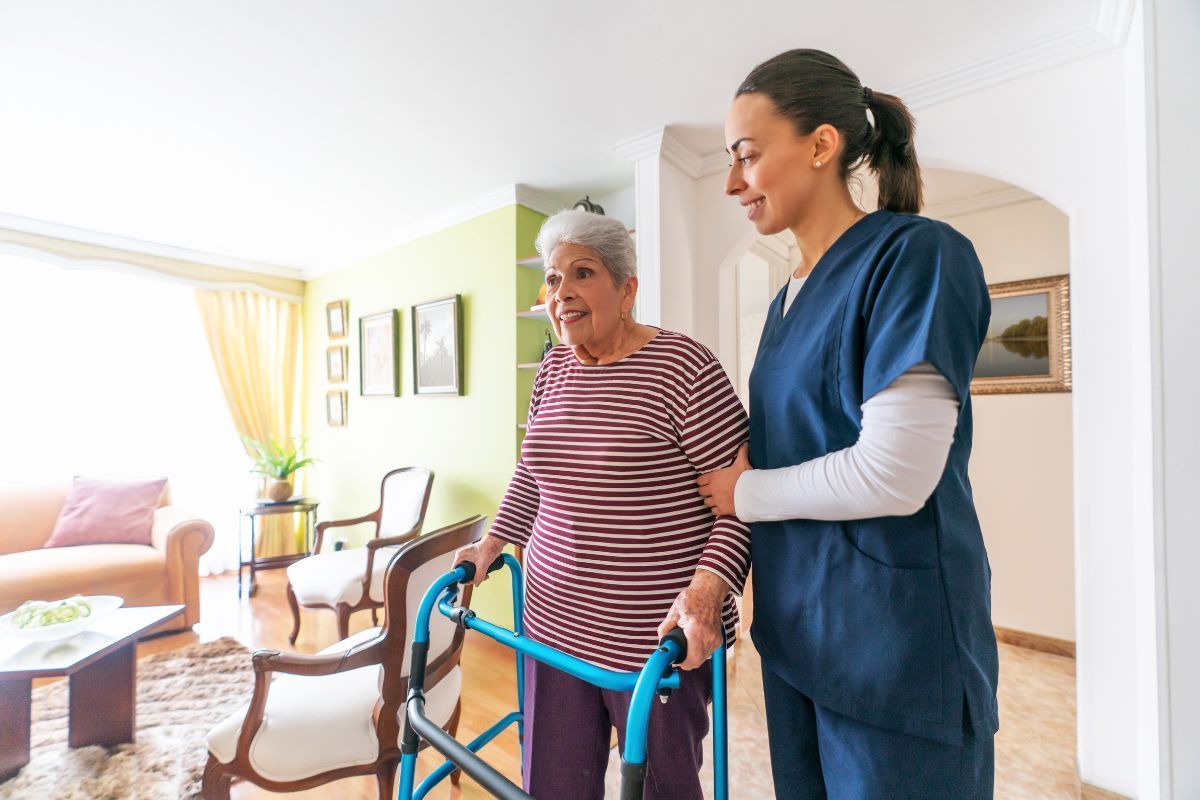
As we age, the risk of falling increases—and the consequences can be serious. At Goldman, Tiseo & Sturges, P.A., we’re dedicated to helping our older neighbors in Charlotte County protect their independence and stay safe at home. Here’s what you should know—and what you can do.


Why Falls Happen


Falls among older adults typically result from several risk factors combined:


  • Weakness in the legs or hips, slowed reflexes, and balance issues
  • Vision or hearing impairments, or side effects of certain medications
  • Environmental hazards like poor lighting, loose rugs, and missing grab bars 


Smart Prevention Strategies


1. Strength, Balance & Regular Exercise


Structured routines—including strength training and balance-based exercises like Tai chi or yoga—significantly lower fall risk.


2. Home Modifications


Simple adjustments make a big difference:


  • Remove rugs, clutter, and trailing cords
  • Install grab bars in showers and railings on both sides of stairs
  • Use non-slip mats, improve lighting, and ensure pathways are clear


3. Medication & Health Reviews


Certain medications (like sedatives or antihypertensives) can impair balance. Regular reviews help reduce this risk. Experts also recommend yearly screenings for vision, hearing, bone density, and overall mobility 


4. Fear of Falling


Worry about falling can lead to reduced activity, causing weakening—a cycle that heightens fall risk. Behavioral and physical therapy can help build confidence.


5. Get Back on Your Feet Safely


If a fall does occur:


  • Assess yourself before moving check for injuries
  • Use stable furniture to help you rise
  • If you live alone, consider a medical alert system and establish a check-in plan


At Goldman, Tiseo & Sturges, P.A., we’ve seen how even a minor fall can disrupt a person’s independence and well-being. Whether you or a loved one has already experienced a fall, or you'd like to take proactive steps now, these measures are proven to help.


When You Need More Support


Falls can lead to serious injuries, sometimes requiring medical attention or home care. If a fall occurs due to someone else’s negligence, such as poorly maintained property or missing safety features, we are here to help. Our Charlotte County team offers free consultations to assist with insurance claims, medical documentation, and legal guidance.


Call us today at (941) 625 6666 or visit our website to schedule a free consultation.

Share This Post:

By Jason B. Goldman September 1, 2026
Charlotte County is home to one of the largest senior populations in Florida. Our community is enriched every day by the retirees, longtime residents, and snowbirds who make Port Charlotte, Punta Gorda, Englewood, and North Port such special places to live. But with a large senior population comes an important responsibility: ensuring our older neighbors are protected when accidents happen. At Goldman, Tiseo & Sturges, P.A., we represent elderly injury victims throughout Charlotte County. Seniors face unique vulnerabilities after an accident, and the legal process can feel overwhelming, particularly for those managing medical care, insurance companies, and family concerns at the same time. This guide is designed to help older adults and their families understand their rights. Why Seniors Are More Vulnerable to Serious Injuries An injury that a younger person might recover from in weeks can permanently change the life of an older adult. As we age, bones become more brittle, healing takes longer, and complications from injuries become more likely. A slip and fall that causes a minor bruise in a 30-year-old can result in a hip fracture, hospitalization, and months of rehabilitation for someone in their 70s or 80s. Common injuries among elderly accident victims in Charlotte County include: Hip fractures from slip and fall accidents, often requiring surgery and extended recovery Traumatic brain injuries from falls or car accidents, which can have lasting cognitive effects Spinal injuries that limit mobility and independence Soft tissue injuries that take significantly longer to heal in older adults Broken wrists and shoulders from instinctive attempts to break a fall Complications from pre-existing conditions that are aggravated by accident-related injuries Florida law recognizes that the severity of an injury is not determined solely by the accident itself, but by its impact on the specific individual. An elderly person may be entitled to greater compensation precisely because their injuries carry greater consequences. Common Causes of Elderly Injuries in Charlotte County Seniors in Charlotte County face injury risks in many everyday settings. Understanding where these accidents most commonly occur can help families take preventative steps and recognize when negligence may be involved. Slip and fall accidents: Wet floors in grocery stores, restaurants, and medical facilities Uneven pavement in parking lots and sidewalks throughout Port Charlotte and Punta Gorda Poor lighting in common areas of apartment complexes and assisted living facilities Loose rugs, cluttered walkways, or broken stairs in retail and commercial spaces Car accidents: Rear-end collisions on busy routes like Tamiami Trail and US-41 Intersection accidents near shopping centers and medical offices frequently visited by seniors Accidents caused by other drivers who fail to yield or follow traffic signals Nursing home and assisted living facility injuries: Falls due to inadequate supervision or understaffing Injuries from improper use of mobility equipment Neglect-related health complications that lead to physical decline Medication errors that cause adverse reactions or injury Florida Law and Elderly Injury Claims Florida's personal injury laws apply equally to older adults, and in many cases, the damages available to elderly victims reflect the serious impact injuries have on their lives. Under Florida law, injury victims may be entitled to compensation for medical bills, future medical care, pain and suffering, loss of enjoyment of life, and other losses. One important consideration for elderly injury claims in Florida is the statute of limitations. In most personal injury cases, you have two years from the date of injury to file a claim. For nursing home neglect or abuse cases, different timeframes may apply. Do not wait to seek legal advice. Key legal protections for seniors in Florida include: The Florida Nursing Home Residents Bill of Rights, which protects residents from neglect, abuse, and unsafe conditions Premises liability law, which holds property owners accountable for unsafe conditions that injure visitors Florida's comparative negligence standard, which allows injury victims to recover compensation even if they bear some responsibility for the accident The right to seek compensation from multiple responsible parties, including property owners, businesses, drivers, and healthcare providers What Families Should Do After an Elderly Loved One Is Injured Seek medical attention immediately and ensure all injuries are properly documented by a healthcare provider Photograph the scene of the accident, including any hazard that caused the injury Report the incident to the appropriate party, whether that is a store manager, property owner, nursing home administrator, or law enforcement Keep records of all medical treatments, expenses, and communications related to the injury Do not allow the injured person to sign any releases or speak with insurance adjusters without legal guidance Contact Goldman, Tiseo & Sturges, P.A. for a free consultation as soon as possible Protecting Charlotte County Seniors Our senior community deserves dignity, safety, and justice. At Goldman, Tiseo & Sturges, P.A., we handle elderly injury claims with the care and urgency they require. We understand the physical, emotional, and financial toll these accidents take on older adults and their families, and we are committed to fighting for every dollar of compensation our clients deserve. We work on a contingency fee basis, meaning you pay nothing unless we recover compensation for you. If your loved one has been injured in Charlotte County, please reach out. We are here to help. Contact Our Charlotte County Personal Injury Attorneys Goldman, Tiseo & Sturges, P.A. (941) 625-6666 | Serving Port Charlotte, Punta Gorda, Englewood, North Port, and all of Charlotte County | gtslawfirm.com
By Jason B. Goldman September 1, 2026
Hurricane season in Southwest Florida runs from June 1 through November 30. For residents of Charlotte County. A region that experienced the direct impact of Hurricane Charley in 2004 and Hurricane Ian in 2022 understanding your legal rights before, during, and after a hurricane is not optional. It is essential. At Goldman, Tiseo & Sturges, P.A., we have represented Charlotte County families through the aftermath of Florida's most destructive storms. This guide answers the most common questions our community has about hurricane-related injuries, property damage liability, contractor fraud, and insurance disputes so you know exactly where you stand when a storm turns your life upside down. Can You Sue for Injuries Caused by a Hurricane in Florida? This is one of the most frequently asked questions we receive after a major storm. The short answer is: it depends on who or what caused the injury.  Hurricanes are natural disasters, and no one can be held legally responsible for the storm itself. However, injuries that occur during or after a hurricane are frequently caused or made significantly worse by human negligence. In those cases, a personal injury claim may be possible. Examples of hurricane-related injuries that may involve legal liability: • A property owner fails to secure outdoor furniture or signage before the storm, and flying debris injures a neighbor • A landlord does not make required repairs after storm damage, and a tenant is injured by structural collapse or flooding • A contractor performs faulty post-hurricane repairs that later cause injury or further property damage • A business reopens prematurely without addressing hazardous conditions wet floors, exposed wiring, structural damage and a customer is injured • A municipality fails to repair storm-damaged roads or traffic signals, leading to a car accident • A neighbor's dead or diseased tree falls during the storm and damages your home or injures someone on your property If your injury falls into any of these categories, you may have a valid personal injury or premises liability claim under Florida law. Goldman, Tiseo & Sturges, P.A. offers free consultations for hurricane injury victims throughout Charlotte County. Who Is Liable for Hurricane Property Damage in Charlotte County? Property damage liability after a hurricane in Florida is determined by a combination of insurance coverage, negligence law, and Florida statutes. Understanding who may be responsible for your losses is the first step toward recovery. Potentially liable parties after hurricane property damage include: • Your own insurance carrier. If they wrongfully deny, delay, or underpay your hurricane damage claim • A neighboring property owner. If their failure to maintain trees, fencing, or structures contributed to damage on your property • A contractor or repair company. If defective workmanship before or after the storm worsened the damage • A landlord or property manager. If they failed to maintain the building to code and storm damage resulted • A HOA or condominium association. If they were responsible for maintaining shared structures that failed during the storm Florida's comparative negligence law means that more than one party can share responsibility for storm-related damage or injury. An experienced Charlotte County personal injury attorney can help you identify all responsible parties and pursue maximum compensation. Hurricane Insurance Disputes in Florida: Know Your Rights Florida homeowners file more hurricane-related insurance claims than residents of any other state. Unfortunately, insurance disputes following major storms are extremely common in Charlotte County and insurance companies do not always act in good faith. Common hurricane insurance claim disputes in Florida include: • Claim denials citing exclusions for flood damage, wind-driven rain, or pre-existing conditions • Lowball settlement offers that do not cover the full cost of repairs or replacement • Unreasonable delays in processing claims, leaving families without compensation for months • Disputes over whether damage was caused by wind (covered) or flooding (requires a separate NFIP policy) • Depreciation disputes that reduce the actual cash value payout well below replacement cost Under Florida law, insurance companies are required to act in good faith when handling claims. If your insurer is denying a valid claim, delaying without justification, or offering an unreasonably low settlement, you may have grounds for a bad faith insurance claim. Steps to protect your hurricane insurance claim in Charlotte County: • Document all damage immediately with photographs and video before any cleanup begins • Keep a detailed written record of all communications with your insurance company • Save all receipts for emergency repairs, temporary housing, and storm-related expenses • Do not sign any releases or accept any settlements without first consulting an attorney • If your claim is denied or underpaid, contact Goldman, Tiseo & Sturges, P.A. before signing anything Post-Hurricane Contractor Fraud in Charlotte County: A Growing Threat After every major hurricane in Southwest Florida, unlicensed contractors and fraudulent repair companies target storm-damaged homeowners who are desperate to make repairs. Charlotte County residents have experienced this firsthand following both Hurricane Charley and Hurricane Ian. Faulty post-storm repairs are not just a financial loss they can create ongoing structural hazards, mold problems, and safety risks that lead to serious injuries. Warning signs of contractor fraud after a hurricane: • Unsolicited door-to-door offers to inspect or repair your home immediately after the storm • Requests for large upfront cash payments before any work begins • No Florida contractor's license or refusal to provide proof of insurance • Pressure to sign contracts quickly without time to review • Assignment of Benefits (AOB) agreements that sign over your insurance rights to the contractor • No written contract, or a contract with vague scope of work and no completion timeline How to protect yourself from contractor fraud in Charlotte County: • Verify any contractor's license through the Florida DBPR at myfloridalicense.com • Never pay more than 10% upfront or $1,000 whichever is less before work begins • Get at least three written estimates before committing to any contractor • Never sign an Assignment of Benefits agreement without speaking to an attorney first • Report suspected fraud to the Florida Attorney General's Office and Charlotte County Building Department If you were defrauded by a contractor or injured due to faulty post-storm repairs, Goldman, Tiseo & Sturges, P.A. can help you pursue compensation and hold responsible parties accountable. What to Do If You Are Injured During or After a Hurricane in Charlotte County The days following a hurricane are disorienting. But taking the right steps early can make a significant difference in your ability to recover compensation. • Seek immediate medical attention storm injuries including lacerations, falls, and head trauma require prompt treatment, and medical records establish the connection between the storm and your injury • Document everything photographs your injuries, the hazard that caused them, and surrounding conditions as soon as it is safe • Report the incident notify the property owner, local authorities, or relevant government agency depending on where and how the injury occurred • Preserve evidence do not allow a property owner or contractor to repair the conditions that caused your injury before they are documented • Avoid giving recorded statements to insurance companies adjusters are trained to minimize payouts; speak with an attorney first • Contact Goldman, Tiseo & Sturges, P.A. as soon as possible Florida's statute of limitations applies to hurricane injury claims, and delays can cost you your right to compensation Hurricane Risk in Charlotte County: Why Legal Preparedness Matters Charlotte County sits in one of Florida's most hurricane-vulnerable corridors. Port Charlotte and Punta Gorda took a direct hit from Hurricane Charley in August 2004. In September 2022, Hurricane Ian caused catastrophic damage throughout the region. The legal and financial aftermath of both storms kept Charlotte County families in limbo for years battling insurance companies, fraudulent contractors, and unresolved injury claims. Legal preparedness knowing your rights, your insurer's obligations, and where to turn when things go wrong is one of the most important steps our community can take before the next storm arrives. Goldman, Tiseo & Sturges, P.A.: Standing with Charlotte County Through Every Storm We have been part of this community through its hardest moments. When Hurricane Charley devastated Punta Gorda and Port Charlotte, we were here. When Hurricane Ian tore through Southwest Florida, we were here. And when the next storm comes, we will be here again. Our attorneys represent hurricane injury victims, insurance dispute claimants, and contractor fraud victims throughout Charlotte County in Port Charlotte, Punta Gorda, Englewood, North Port, and every community in between. We work on a contingency fee basis, which means you pay nothing unless we recover compensation for you. If a hurricane has left you injured, displaced, or fighting with your insurance company, do not face it alone. Contact Our Charlotte County Hurricane Injury Attorneys Free Consultation Goldman, Tiseo & Sturges, P.A. (941) 625-6666 Serving Port Charlotte, Punta Gorda, Englewood, North Port, and all of Charlotte County gtslawfirm.com
By Jason B. Goldman August 4, 2026
August marks the return to school for thousands of children across Charlotte County. As families in Port Charlotte, Punta Gorda, Englewood, and North Port prepare backpacks and school supplies, the roads, neighborhoods, and school zones around our community are about to get a lot busier. That shift happens fast and not everyone is ready for it. At Goldman, Tiseo & Sturges, P.A., we care deeply about the safety of Charlotte County's children and families. Every August, we see an increase in school zone accidents, pedestrian injuries, and bus stop incidents, many of which are entirely preventable. This guide is for parents, drivers, and the entire community as we welcome a new school year. School Zone Safety in Charlotte County: What Drivers Must Know When school is in session, Charlotte County school zones require drivers to slow down, stay alert, and follow the rules, no exceptions. Speeding in a school zone is not just dangerous; it carries significant fines under Florida law. Key rules for driving in Charlotte County school zones: • Reduce speed to 20 mph or the posted school zone speed limit when lights are flashing • Never pass a stopped school bus with flashing red lights, Florida law requires all traffic to stop • Avoid using your phone or any handheld device while driving in school zones • Watch for children darting between parked cars, especially near drop-off and pickup areas • Yield to pedestrians at crosswalks, always • Allow extra travel time during morning and afternoon school hours along heavily trafficked routes like Tamiami Trail and Kings Highway If a driver violates school zone laws and injures a child, they may face serious legal consequences, including a personal injury lawsuit. At Goldman, Tiseo & Sturges, P.A., we represent children and families injured in school zone accidents throughout Charlotte County. Bus Stop Safety for Charlotte County Families School bus stops are some of the most dangerous locations for children every morning and afternoon. In Florida, children are most at risk during the moments they are getting on or off the bus, not while riding it. Tips for keeping children safe at the bus stop: • Arrive at the bus stop five minutes early, rushing children into the road is a leading cause of injury • Stand at least six feet away from the curb while waiting for the bus • Never cross in front of the bus until the driver signals it is safe to do so • Teach children to make eye contact with the driver before crossing • Remind children never to bend down near a bus, drivers cannot see children close to the vehicle • If your child drops something near the bus, they should never stop to pick it up, tell the driver first Drivers in neighborhoods throughout Port Charlotte, Punta Gorda, Englewood, and North Port should be especially vigilant during school hours. A flashing stop signs on a school bus means stop, regardless of which direction you are traveling on the road. Walking and Biking to School Safely in Charlotte County Many Charlotte County students walk or ride their bikes to school. Florida's warm August weather and growing neighborhoods make active commuting common, but it also puts children in close contact with vehicle traffic every day. For students walking or biking to school: • Always use designated crosswalks and wait for the walk signal • Make eye contact with drivers before stepping into the road • Wear a properly fitted helmet when riding a bicycle, Florida law requires it for riders under 16 • Use bike lanes where available and ride in the same direction as traffic • Wear bright or reflective clothing, especially during early morning commutes • Put phones away while walking or biking, distraction is a leading cause of pedestrian accidents For drivers sharing the road with young pedestrians and cyclists: • Expect the unexpected, children do not always look before stepping into the road • Never pass a cyclist without giving at least three feet of clearance under Florida's Safe Passing Law • Be especially cautious near middle and elementary schools where younger children are less predictable • Treat every crosswalk as if a child might step into it Drop-Off and Pickup Zone Safety School drop-off and pickup lines are chaotic by nature. Parents are in a hurry, children are distracted, and the combination creates real danger. Across Charlotte County schools, parking lot and drop-off zone accidents are a consistent problem at the start of every school year. Stay safe during drop-off and pickup: • Follow the school's designated traffic pattern, do not create your own shortcuts through parking lots • Never double-park or block other vehicles in the drop-off lane • Keep children inside the vehicle until you reach the designated drop-off point • Do not use your phone while moving through the school parking lot • Be patient, the extra two minutes are not worth the risk to a child's life  Parking lot accidents are often classified as premises liability or negligence cases. If your child was injured in a school drop-off zone due to another driver's careless behavior, you may have legal recourse. When School-Related Accidents Happen: Know Your Rights Unfortunately, back-to-school season also brings a rise in personal injury cases involving children in Charlotte County. Whether it's a driver running through a school zone, a bus stop accident, or a pedestrian struck at a crosswalk, when a child is injured due to someone else's negligence, families deserve justice. If your child is injured in a school-related accident: • Seek medical attention immediately, even if injuries appear minor • Document the scene with photos and gather witness contact information • Report the incident to school officials and law enforcement • Do not speak with the other party's insurance company before consulting an attorney • Contact Goldman, Tiseo & Sturges, P.A. for a free consultation, we handle cases involving children with the highest level of care and urgency Florida law provides important protections for injured children and their families. Depending on the circumstances, you may be entitled to compensation for medical bills, future care, pain and suffering, and more. A Safe School Year for Every Family in Charlotte County As the new school year begins, we want every child in Port Charlotte, Punta Gorda, Englewood, and North Port to arrive and return home safely. It takes the entire community: parents, drivers, pedestrians, and students, to make that happen. From all of us at Goldman, Tiseo & Sturges, P.A., we wish Charlotte County's students, teachers, and families a wonderful and safe school year. We are proud to be part of this community, and we are here whenever you need us. Contact Our Charlotte County Personal Injury Attorneys If your child or a family member has been injured in a school zone accident, bus stop incident, or any accident related to back-to-school traffic in Charlotte County, our experienced legal team is ready to help. Goldman, Tiseo & Sturges, P.A. (941) 625-6666 Serving Port Charlotte, Punta Gorda, Englewood, North Port, and all of Charlotte County gtslawfirm.com
By Jason B. Goldman August 4, 2026
August marks the return to school for thousands of children across Charlotte County. As families in Port Charlotte, Punta Gorda, Englewood, and North Port prepare backpacks and school supplies, the roads, neighborhoods, and school zones around our community are about to get a lot busier. That shift happens fast and not everyone is ready for it. At Goldman, Tiseo & Sturges, P.A., we care deeply about the safety of Charlotte County's children and families. Every August, we see an increase in school zone accidents, pedestrian injuries, and bus stop incidents, many of which are entirely preventable. This guide is for parents, drivers, and the entire community as we welcome a new school year. School Zone Safety in Charlotte County: What Drivers Must Know When school is in session, Charlotte County school zones require drivers to slow down, stay alert, and follow the rules, no exceptions. Speeding in a school zone is not just dangerous; it carries significant fines under Florida law. Key rules for driving in Charlotte County school zones: • Reduce speed to 20 mph or the posted school zone speed limit when lights are flashing • Never pass a stopped school bus with flashing red lights, Florida law requires all traffic to stop • Avoid using your phone or any handheld device while driving in school zones • Watch for children darting between parked cars, especially near drop-off and pickup areas • Yield to pedestrians at crosswalks, always • Allow extra travel time during morning and afternoon school hours along heavily trafficked routes like Tamiami Trail and Kings Highway If a driver violates school zone laws and injures a child, they may face serious legal consequences, including a personal injury lawsuit. At Goldman, Tiseo & Sturges, P.A., we represent children and families injured in school zone accidents throughout Charlotte County. Bus Stop Safety for Charlotte County Families School bus stops are some of the most dangerous locations for children every morning and afternoon. In Florida, children are most at risk during the moments they are getting on or off the bus, not while riding it. Tips for keeping children safe at the bus stop: • Arrive at the bus stop five minutes early, rushing children into the road is a leading cause of injury • Stand at least six feet away from the curb while waiting for the bus • Never cross in front of the bus until the driver signals it is safe to do so • Teach children to make eye contact with the driver before crossing • Remind children never to bend down near a bus, drivers cannot see children close to the vehicle • If your child drops something near the bus, they should never stop to pick it up, tell the driver first Drivers in neighborhoods throughout Port Charlotte, Punta Gorda, Englewood, and North Port should be especially vigilant during school hours. A flashing stop signs on a school bus means stop, regardless of which direction you are traveling on the road. Walking and Biking to School Safely in Charlotte County Many Charlotte County students walk or ride their bikes to school. Florida's warm August weather and growing neighborhoods make active commuting common, but it also puts children in close contact with vehicle traffic every day. For students walking or biking to school: • Always use designated crosswalks and wait for the walk signal • Make eye contact with drivers before stepping into the road • Wear a properly fitted helmet when riding a bicycle, Florida law requires it for riders under 16 • Use bike lanes where available and ride in the same direction as traffic • Wear bright or reflective clothing, especially during early morning commutes • Put phones away while walking or biking, distraction is a leading cause of pedestrian accidents For drivers sharing the road with young pedestrians and cyclists: • Expect the unexpected, children do not always look before stepping into the road • Never pass a cyclist without giving at least three feet of clearance under Florida's Safe Passing Law • Be especially cautious near middle and elementary schools where younger children are less predictable • Treat every crosswalk as if a child might step into it Drop-Off and Pickup Zone Safety School drop-off and pickup lines are chaotic by nature. Parents are in a hurry, children are distracted, and the combination creates real danger. Across Charlotte County schools, parking lot and drop-off zone accidents are a consistent problem at the start of every school year. Stay safe during drop-off and pickup: • Follow the school's designated traffic pattern, do not create your own shortcuts through parking lots • Never double-park or block other vehicles in the drop-off lane • Keep children inside the vehicle until you reach the designated drop-off point • Do not use your phone while moving through the school parking lot • Be patient, the extra two minutes are not worth the risk to a child's life  Parking lot accidents are often classified as premises liability or negligence cases. If your child was injured in a school drop-off zone due to another driver's careless behavior, you may have legal recourse. When School-Related Accidents Happen: Know Your Rights Unfortunately, back-to-school season also brings a rise in personal injury cases involving children in Charlotte County. Whether it's a driver running through a school zone, a bus stop accident, or a pedestrian struck at a crosswalk, when a child is injured due to someone else's negligence, families deserve justice. If your child is injured in a school-related accident: • Seek medical attention immediately, even if injuries appear minor • Document the scene with photos and gather witness contact information • Report the incident to school officials and law enforcement • Do not speak with the other party's insurance company before consulting an attorney • Contact Goldman, Tiseo & Sturges, P.A. for a free consultation, we handle cases involving children with the highest level of care and urgency Florida law provides important protections for injured children and their families. Depending on the circumstances, you may be entitled to compensation for medical bills, future care, pain and suffering, and more. A Safe School Year for Every Family in Charlotte County As the new school year begins, we want every child in Port Charlotte, Punta Gorda, Englewood, and North Port to arrive and return home safely. It takes the entire community: parents, drivers, pedestrians, and students, to make that happen. From all of us at Goldman, Tiseo & Sturges, P.A., we wish Charlotte County's students, teachers, and families a wonderful and safe school year. We are proud to be part of this community, and we are here whenever you need us. Contact Our Charlotte County Personal Injury Attorneys If your child or a family member has been injured in a school zone accident, bus stop incident, or any accident related to back-to-school traffic in Charlotte County, our experienced legal team is ready to help. Goldman, Tiseo & Sturges, P.A. (941) 625-6666 Serving Port Charlotte, Punta Gorda, Englewood, North Port, and all of Charlotte County gtslawfirm.com